Follow Our Social Flatforms:
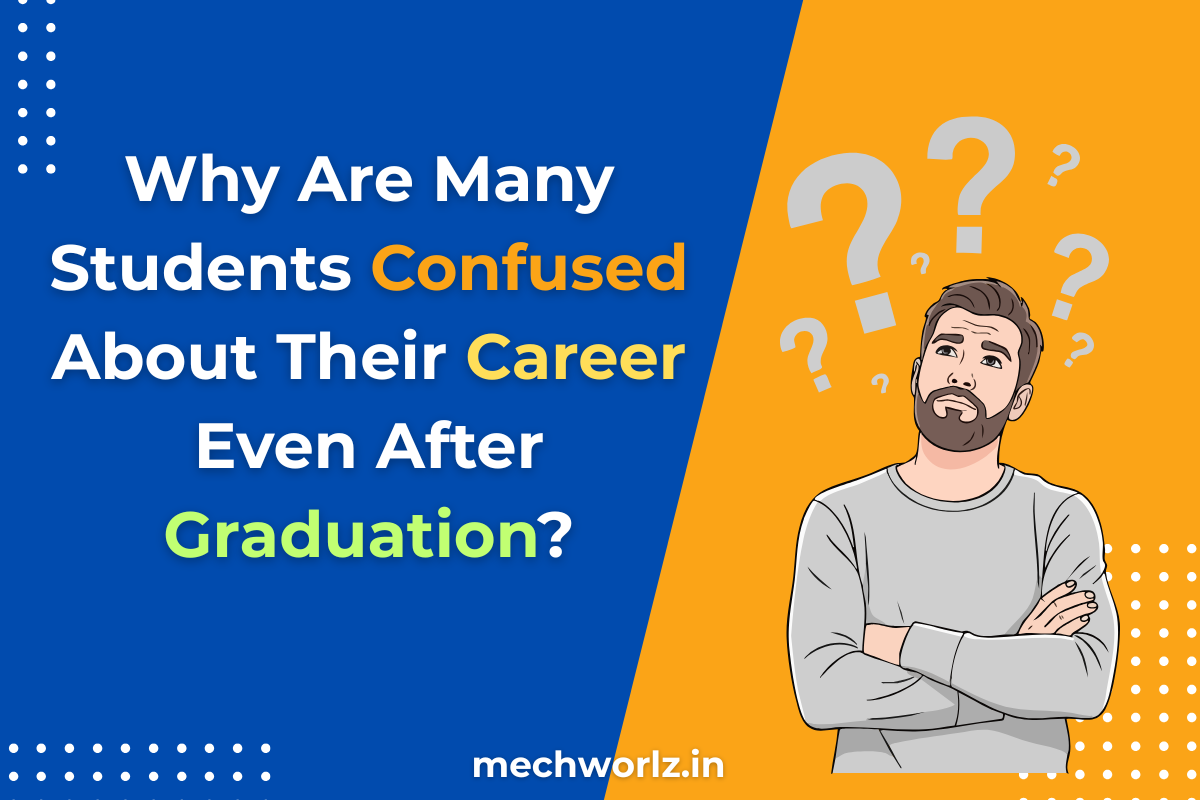
Graduation is often seen as a major milestone in a student’s life. Families celebrate it, students feel relieved, and society assumes that everything is now “set.” But for many graduates, reality looks very different. Instead of confidence and clarity, they experience confusion, anxiety, and self-doubt about their future.
A common question echoes in their minds:
“I’ve completed my degree… now what?”
Career confusion after graduation is not rare—it is widespread. And more importantly, it is not a personal failure. It is the result of systemic gaps in education, guidance, and exposure that students face throughout their college journey.
This blog explores why career confusion exists even after graduation, supported by real examples, and what students can do to move forward with clarity.
1. Graduation Gives a Degree, Not Direction
One of the biggest misconceptions students have is believing that a degree automatically provides a clear career path. In reality, a degree is only a qualification—it does not define how or where you should apply it.
Most colleges focus on:
- Completing the syllabus
- Clearing exams
- Achieving pass percentages
Very little emphasis is placed on:
- Career mapping
- Role awareness
- Industry expectations
As a result, students graduate knowing subjects, but not career options.
Example:
A mechanical engineering graduate knows thermodynamics and manufacturing processes but has no clarity about whether they should pursue design, production, quality, maintenance, sales, higher studies, or a complete career shift.
2. Career Guidance Comes Too Late (or Not at All)
Career guidance, if provided, usually appears in the final year, when students are already under pressure from:
- Placements
- Exams
- Family expectations
By this stage, students are expected to make life-changing decisions without adequate preparation.
Ideally, career awareness should begin in the first or second year, when students still have time to:
- Explore interests
- Build relevant skills
- Gain internships or exposure
Because this does not happen, many students graduate without ever having a structured career conversation.
3. Lack of Industry Exposure Creates Unrealistic Expectations
Many students complete college without:
- Visiting real workplaces
- Interacting with industry professionals
- Understanding daily job responsibilities
Their understanding of careers is based on:
- Social media
- Peer opinions
- Assumptions
This creates unrealistic expectations and confusion.
Example:
A student chooses a career because it “sounds good” or “pays well,” only to realize after graduation that the role does not match their personality, skills, or interests.
Without exposure, students cannot connect theory to reality, making career decisions feel like guesses rather than informed choices.
4. Education System Prioritizes Marks Over Skills
Most students are trained to ask one question throughout college:
“Will this come in the exam?”
Very few are encouraged to ask:
- “Will this help me in a job?”
- “Is this skill industry-relevant?”
As a result:
- Students graduate with certificates, not competencies
- Confidence drops during interviews
- Career confusion increases
When graduates realize that their skills do not match job requirements, self-doubt replaces clarity.
5. Peer Pressure and Social Comparison Add to Confusion
After graduation, students constantly compare themselves with others:
- One friend gets placed early
- Another prepares for government exams
- Someone else moves abroad
This leads to questions like:
- “Am I late?”
- “Did I choose the wrong path?”
- “Should I also do what others are doing?”
Instead of clarity, students experience panic-based decision-making, which often leads to dissatisfaction later.
6. No One Teaches Self-Awareness
Career clarity is not just about opportunities—it is about self-understanding.
Most students are never guided to reflect on:
- Their strengths and weaknesses
- Their interests and values
- Their preferred work style
Without self-awareness, choosing a career becomes random.
Example:
An introverted student chooses a sales role because it is popular, only to feel stressed and disconnected within months.
Colleges rarely address mindset, personality alignment, or long-term career planning—leaving students unprepared to make meaningful choices.
7. Fear of Making the “Wrong” Decision
Many graduates remain confused because they are afraid of choosing incorrectly. Society often treats career decisions as irreversible, increasing pressure.
This fear leads to:
- Overthinking
- Indecision
- Constant switching without strategy
Students wait for “perfect clarity,” not realizing that clarity is built through action, exploration, and guidance, not waiting.
What Can Students Do to Gain Career Clarity After Graduation?
Career clarity is still achievable—even after graduation—if students take intentional steps:
- Stop Comparing Your Journey
Every career timeline is different. Focus on alignment, not speed. - Invest in Skill Building
Practical skills increase confidence and open opportunities. - Seek Mentors and Career Guidance
Learn from people who have already walked the path. - Explore Before Committing
Internships, projects, short courses, and conversations help refine direction. - Work on Mindset, Not Just Resume
Confidence, adaptability, and clarity come from self-work.
Strong Conclusion: Confusion Is a Signal, Not a Failure
Career confusion after graduation does not mean you are lost—it means you were never properly guided.
The education system prepares students to graduate, not to navigate life after graduation. Without exposure, mentorship, and self-awareness, confusion becomes inevitable.
The good news?
Career clarity is not something you are born with—it is something you build.
With the right guidance, mindset, and action, every student can move from confusion to confidence.
Call-to-Action (Aligned With Your Career-Guidance Brand)
- If you are a student feeling confused after graduation, you are not alone.
- Career clarity is possible—with the right direction and guidance.
- Follow our page for career guidance, mindset clarity, interview preparation, internships, and real-world insights.
- Save and share this blog with students who need direction.
Your career deserves clarity—not confusion.